Disclaimer: The information provided in this article is for educational and informational purposes only and is not intended as medical advice. Always consult with a qualified healthcare provider regarding any health concerns or vaccination decisions.
Cervical cancer remains one of the most significant health concerns for women globally. Fortunately, it is also one of the most preventable types of cancer, primarily due to the introduction of the HPV (Human Papillomavirus) vaccine.
However, individuals looking to get vaccinated often stumble upon a confusing medical guideline: why is the HPV vaccine not recommended after 26? If you have crossed this age limit, you might feel anxious or left out of this crucial preventative care.
In this comprehensive guide, we will break down the science behind the age guidelines, explore whether you can still get vaccinated later in life, and discuss alternative ways to protect yourself against cervical cancer.
The Real Medical Reason Behind the Age 26 Cut-off
The primary reason global health organizations, such as the CDC (Centers for Disease Control and Prevention), historically stopped recommending the HPV vaccine as a routine shot after age 26 comes down to one core concept: prior exposure.
Here is a detailed breakdown of why the age limit was set at 26:
1. High Likelihood of Prior Infection HPV is the most common sexually transmitted infection in the world. The virus is so widespread that almost every sexually active person will contract at least one strain of HPV at some point in their lives. By the time most adults reach their late 20s, they have likely already been exposed to the virus.
2. The Vaccine is Preventative, Not Curative Vaccines work by teaching your immune system to fight off a virus before you are exposed to it. The HPV vaccine is highly effective at preventing new infections, but it cannot cure an existing HPV infection. It also cannot treat abnormal cells or cervical cancer once they have developed.
3. Diminishing Health Benefits (Cost vs. Benefit) Because the majority of sexually active adults over the age of 26 have already encountered the most common high-risk strains of HPV, the overall public health benefit of vaccinating this age group is significantly lower. Health policies prioritize vaccinating pre-teens (ages 9 to 14) because their immune response is stronger, and they have not yet been exposed to the virus.
The Big Update: Can You Still Get the HPV Vaccine After 26?
A common misconception is that getting the HPV vaccine after 26 is strictly forbidden or medically dangerous. This is completely false.
In recent years, medical guidelines have evolved. The FDA has approved the Gardasil 9 vaccine (which protects against nine high-risk strains of HPV) for both men and women up to 45 years of age.
The CDC now advises that adults between the ages of 27 and 45 can choose to get the HPV vaccine based on “shared clinical decision-making.” This means you and your doctor can discuss your personal risk factors and decide if the vaccine is a good choice for you.
Who Should Consider the Vaccine After 26?
You might still significantly benefit from receiving the HPV vaccine in your 30s or early 40s if:
- You are entering the dating pool again and expect to have new sexual partners.
- You have had very few sexual partners in the past, meaning your prior exposure to HPV might be low.
- You have never had an abnormal Pap smear or tested positive for HPV DNA.
- Your healthcare provider strongly recommends it based on your specific medical history.
The Role of the HPV Vaccine Programme in Preventing Cervical Cancer
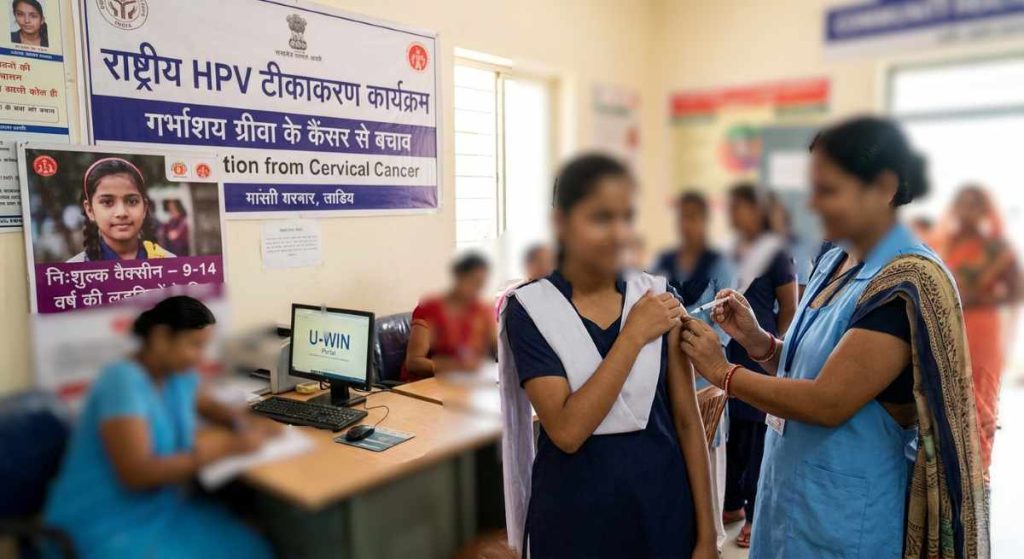
To effectively combat cervical cancer, countries worldwide, including India, are focusing heavily on structured HPV Vaccine Programmes. Understanding the ideal vaccination schedule can help you protect the younger generation in your family:
- Primary Target Group (Ages 9-14): This is the ideal time for vaccination. The immune system responds best at this age, and only 2 doses are required (given 6-12 months apart).
- Catch-up Group (Ages 15-26): If missed earlier, young adults can still get routine catch-up vaccinations. However, at this age, 3 doses are required for full protection.
- Adults (Ages 27-45): Optional vaccination requiring 3 doses, administered strictly after consultation with a medical professional.
Prevention Beyond the Vaccine: What If You Are Over 26?
If you are over 26 and you or your doctor decide that the HPV vaccine is not necessary, you are still not defenseless against cervical cancer. In fact, routine screening is just as important as vaccination.
- Routine Pap Smears: Starting at age 21, women should receive regular Pap smears (or Pap tests). This simple procedure collects cells from the cervix to check for abnormal, pre-cancerous changes. Catching these changes early means they can be treated before they ever turn into cervical cancer.
- HPV DNA Testing: This specific test looks for the genetic material (DNA) of high-risk HPV strains that are most likely to cause cancer (such as HPV 16 and 18).
Frequently Asked Questions (FAQs)
Q1: Is the HPV vaccine safe for adults over 26? Yes, the vaccine is perfectly safe for adults up to age 45. The reason it is not “routinely recommended” is due to lower effectiveness (because of prior exposure), not because of safety concerns.
Q2: Will the HPV vaccine treat an existing HPV infection? No. The HPV vaccine is strictly preventative. If you already have a specific strain of HPV, the vaccine will not clear that infection, though it may protect you from other strains you haven’t been exposed to yet.
Q3: Do men need the HPV vaccine? Absolutely. HPV can cause penile, anal, and throat cancers in men, as well as genital warts. Vaccinating men also helps stop the transmission of the virus to women, lowering the overall rates of cervical cancer.
Conclusion
To summarize, the reason the HPV vaccine is not routinely recommended after age 26 is simply that most people have already been exposed to the virus by that age, making the vaccine less effective. However, medical guidelines have changed, and adults up to age 45 can still safely receive the vaccine if it aligns with their health needs.
Whether you choose to get vaccinated or not, remember that regular gynecological check-ups, Pap smears, and HPV screenings remain the ultimate tools for maintaining your reproductive health and preventing cervical cancer.